

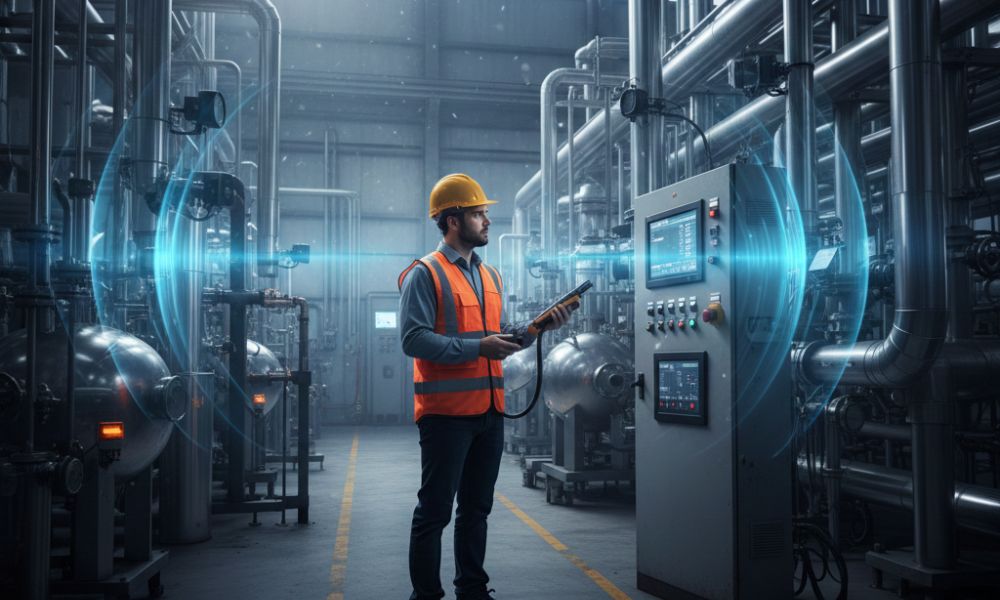
In every industrial environment where chemicals, hydrocarbons, or process gases are used, the potential for leaks is always present. Gas detection is the earliest warning system, providing the crucial few seconds or minutes needed to avoid major incidents. What makes gas detection the first layer of safety is its ability to identify invisible and odorless threats long before the human senses can. Many dangerous gases—such as hydrogen sulphide, carbon monoxide, or methane—are undetectable without specialized sensors.

Modern gas detection combines catalytic, infrared, and electrochemical technologies to create an uninterrupted safety net across a facility. Unlike fire protection systems that respond after ignition, gas detectors act proactively by sounding alarms before any flame or explosion occurs. This early warning integrates with shutdown systems, ventilation controls, and evacuation plans, ultimately reducing the severity of incidents and safeguarding both workers and assets.

The importance of gas detection is increasing as industries modernize, expand into denser layouts, and engage in high-throughput production. More automation also means fewer workers on the ground who might otherwise notice unusual smells or sounds. Today, accurate gas monitoring has become as essential as PPE and training. A well-designed detection system ensures that even minor leaks are identified early, preventing them from escalating into costly or dangerous events. Ultimately, gas detection is not just a compliance requirement—it’s a cornerstone of responsible industrial operation.